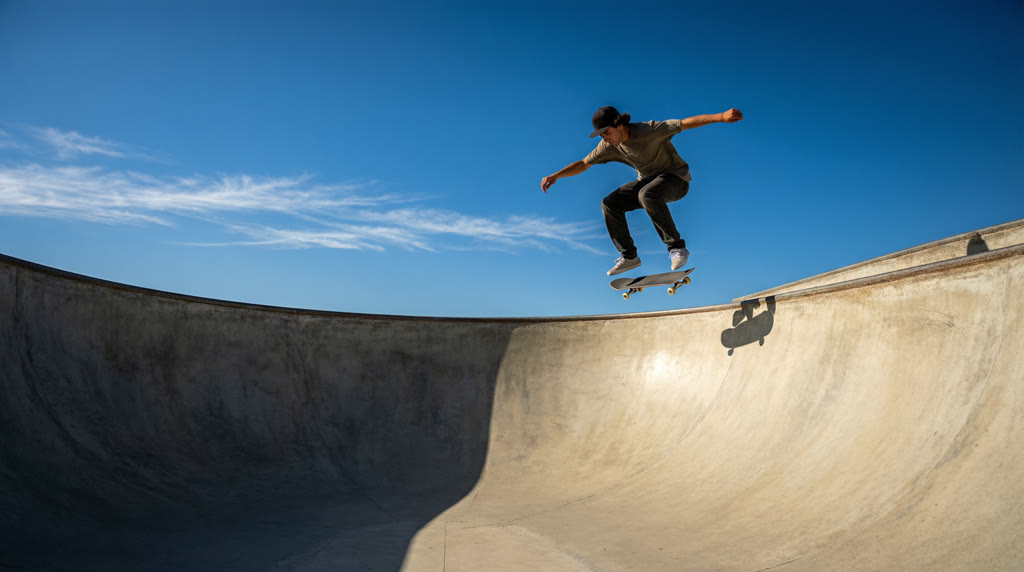
text-to-video
Seedance 1.0 Pro Fast
Seedance 1.0 Pro Fast — the fast, cheap Seedance 1.0 Pro; 720p costs just 7 credits per second.
Try now100 models
LLM / Chat
Claude Opus 5.5
Claude Opus 5.5 is Anthropic's newest Opus model (released September 22, 2026) and the one Anthropic recommends as the default for most work. According to Anthropic, it comes close to Claude Fable 5.1 on most tasks while producing output faster and using fewer tokens per task than Claude Opus 5 — strong at agentic coding, complex reasoning and professional knowledge work.
from $0.001 /1K tokTry now
Video
Seedance 1.0 Pro Fast
Seedance 1.0 Pro Fast — the fast, cheap Seedance 1.0 Pro; 720p costs just 7 credits per second.
from $0.030 /videoTry now

Video
Seedance 1.0 Pro
Seedance 1.0 Pro — ByteDance's steady video generation, 480p to 1080p, up to 12 seconds.
from $0.080 /videoTry now

Image
Seedream 5.0 Pro (API)
Seedream 5.0 Pro on the official BytePlus API — 1K or 2K output, up to 4 input images.
from $0.070 /imageTry now

Video
Seedance 2.5 (API)
Seedance 2.5 on the official BytePlus API — 480p to 1080p, 4–15 seconds, with reference image/video/audio input.
from $0.620 /videoTry now

Image to video
Wan2.2 I2V Flash (Ảnh→Video 480P)
Wan2.2 I2V Flash — a silent 5-second clip from one image; 480P costs just 25 credits. The cheapest lane for testing ideas.
from $0.025 /videoTry now
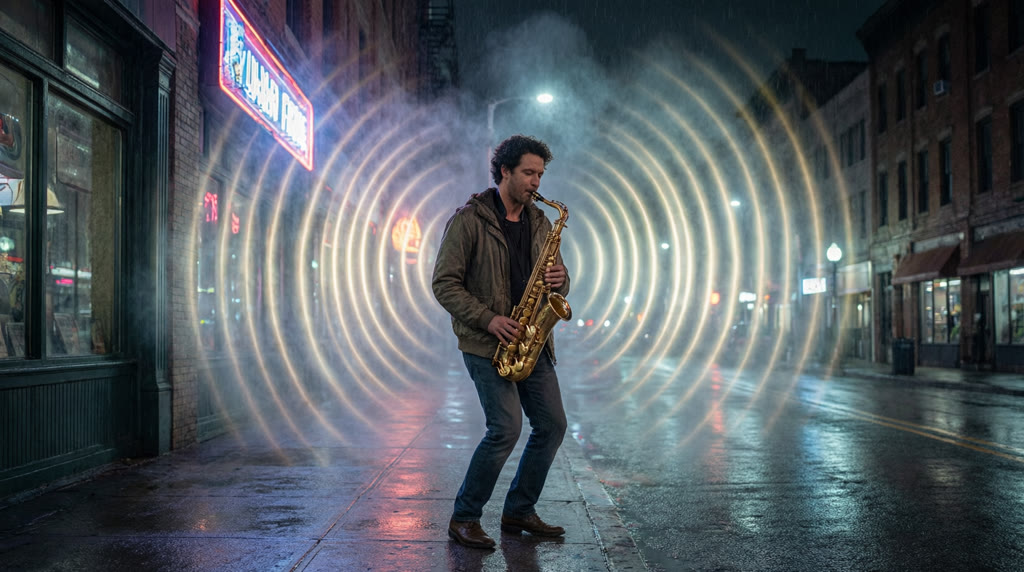
Image to video
Wan2.6 I2V Flash (Ảnh→Video, có tiếng)
Wan2.6 I2V Flash — the budget Wan image-to-video: pick silent or with audio, 2–15 seconds. Silent 720P is just 8 credits per second.
from $0.080 /videoTry now
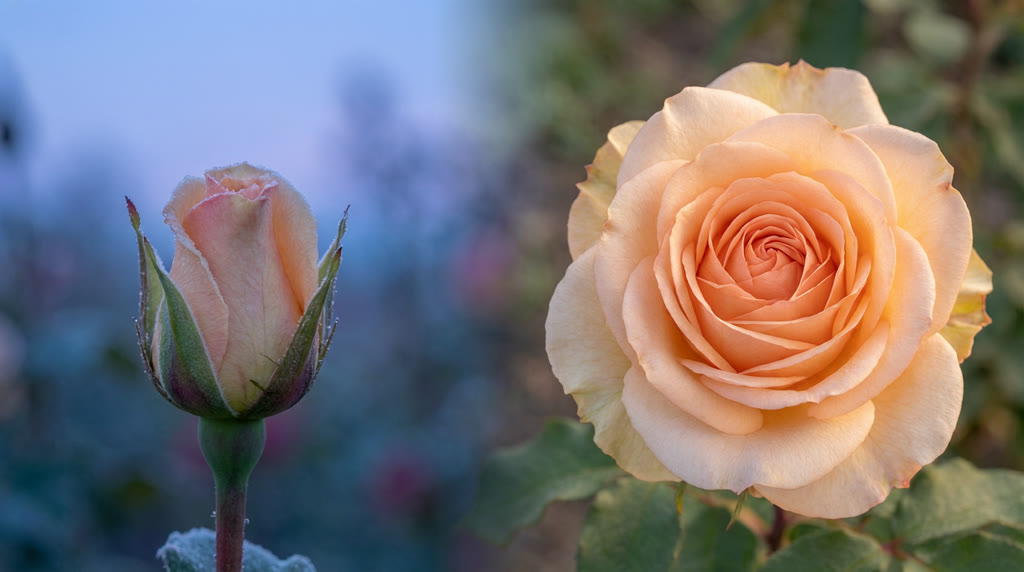
Image to video
Wan2.2 KF2V Flash (Frame đầu → frame cuối)
Wan2.2 KF2V Flash — give a first and last image and the model builds the transition between them. Output is always 5 seconds.
from $0.025 /videoTry now
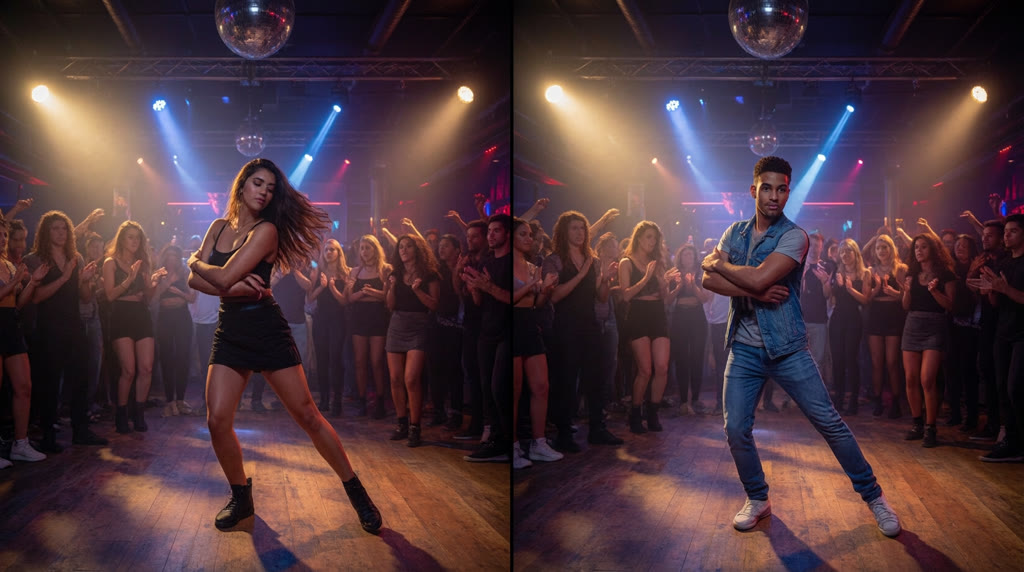
Image to video
Wan2.2 Animate Mix (Thay nhân vật trong video)
Wan2.2 Animate Mix — swaps the character in an existing video for the one in your image, keeping the original motion and scene. Billed by output length.
from $0.270 /videoTry now
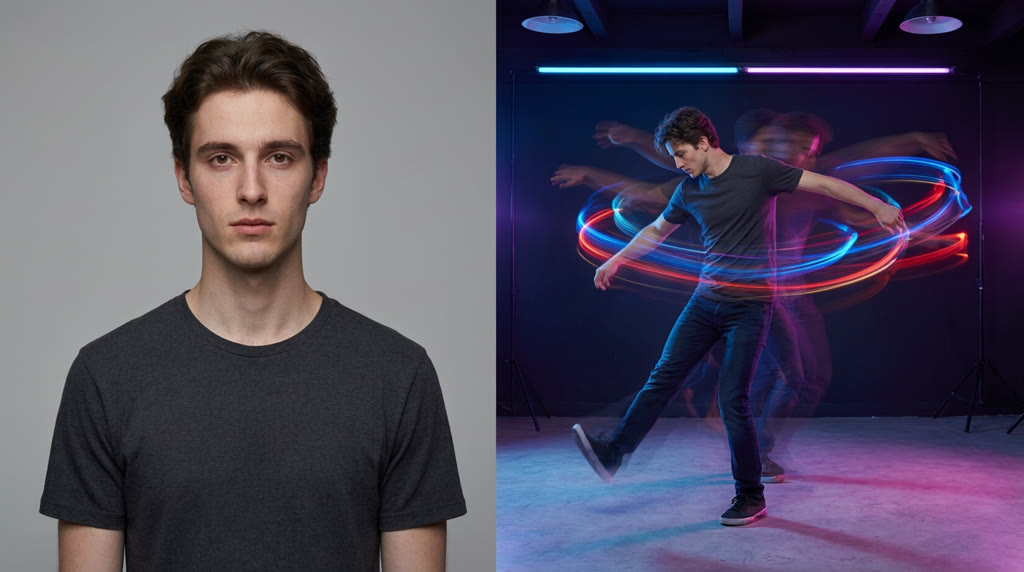
Image to video
Wan2.2 Animate Move (Nhân vật nhại động tác)
Wan2.2 Animate Move — give one character image plus a driving video; the character mimics the motion. Billed by the output video length.
from $0.180 /videoTry now
Image
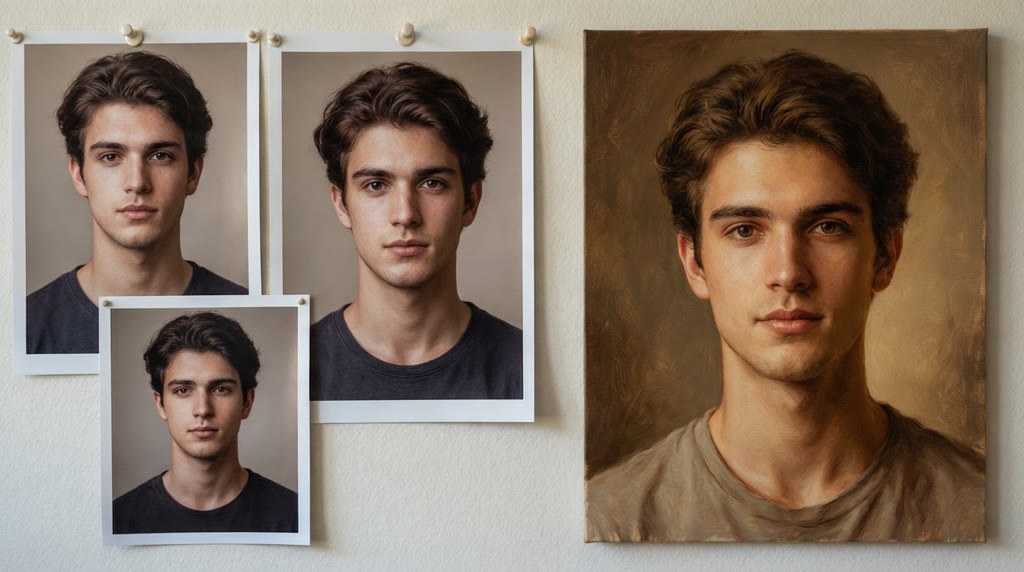
Vidu Image (Tham chiếu→Ảnh)
Vidu Image — generates images from multiple reference images while preserving characters and props. Up to 4K.
from $0.150 /imageTry now
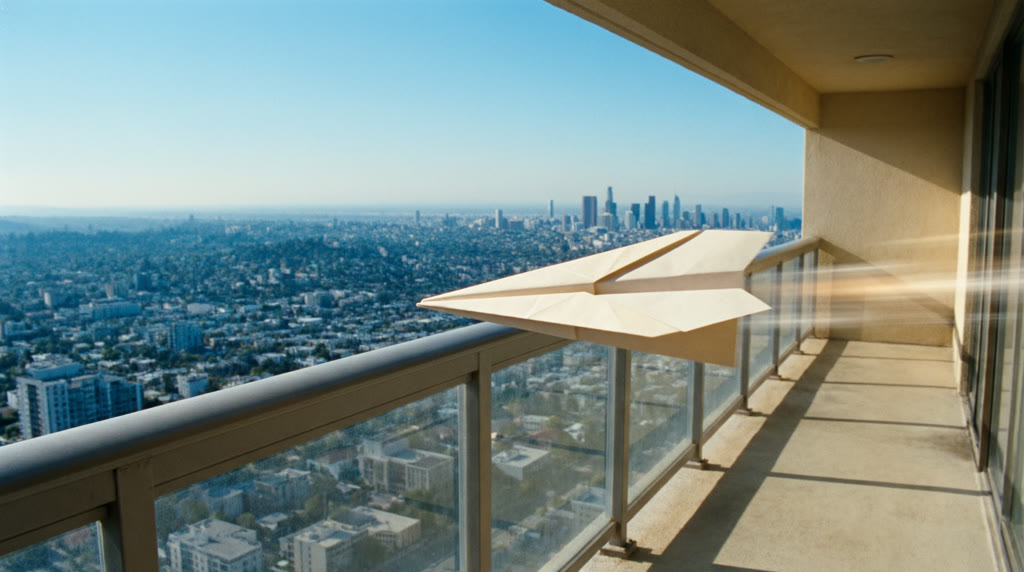
Image to video
Vidu Q2 Pro Fast (Ảnh→Video)
Vidu Q2 Pro Fast — the cheapest, fastest video lane available: one image to a 720P/1080P clip at 5 credits per second.
from $0.025 /videoTry now